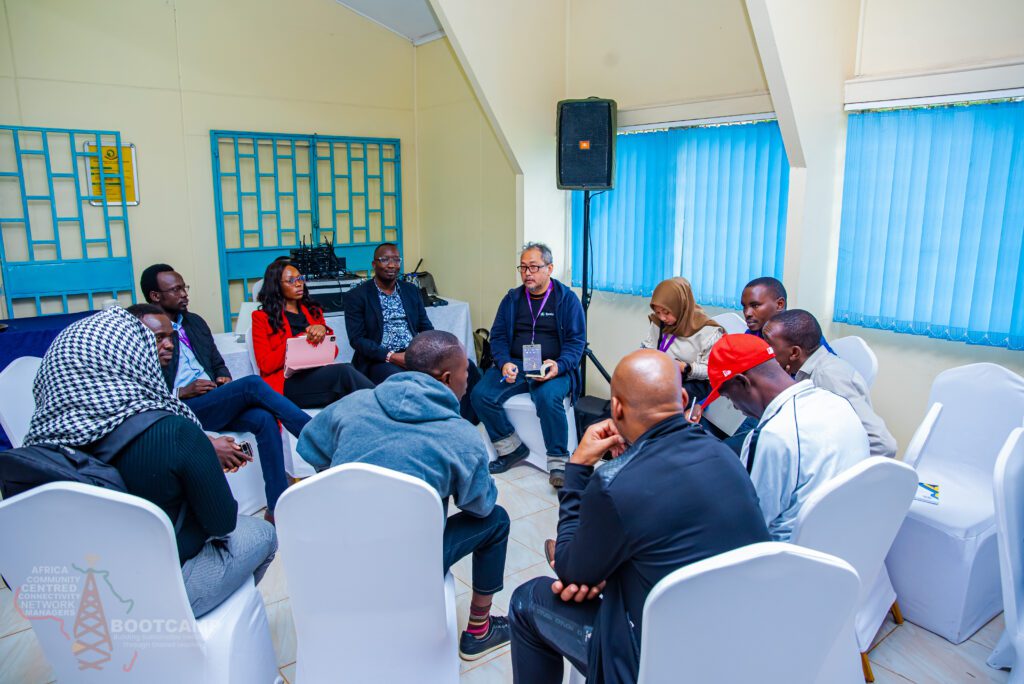
On Friday (February 27, 2026), the Director of Common Room Networks Foundation, Gustaff H. Iskandar, together with Common Room’s Project Officer, Andriani Kesa Alivia, participated in the Blended Training Programme for ICT Network Managers in Indigenous and Rural Communities in the Africa Region 2025–2026. The program was organized by the International Telecommunication Union in collaboration with the Association for Progressive Communications, Rhizomatica, African Advanced Level Telecommunications Institute, TandaNet, and the Internet Society in Nairobi, Kenya.
Within the program, the Community Engagement Forum session was facilitated by a group of facilitators from different organizations, including Gustaff H. Iskandar, alongside co-facilitators Andriani Kesa Alivia, David Ochiel (Director of Tanda Community Network), and John Gitonga (Finance Lead of Tanda Community Network). The session brought together twelve participants from diverse backgrounds, united by a shared goal: to better understand how communities should be engaged, not merely treated as objects of programs.
The discussion began with a fundamental question: what is a community? Through collective reflection, participants arrived at a shared understanding that a community is far more than a group of people living in the same area. It is a living network of relationships, people who share language, purpose, practices, and even challenges. Within it exist cultural values, social structures, and relationships that shape a collective identity, from families to clans and tribes. This understanding is essential, because without truly recognizing who a community is, any intervention risks feeling foreign, or even being rejected.
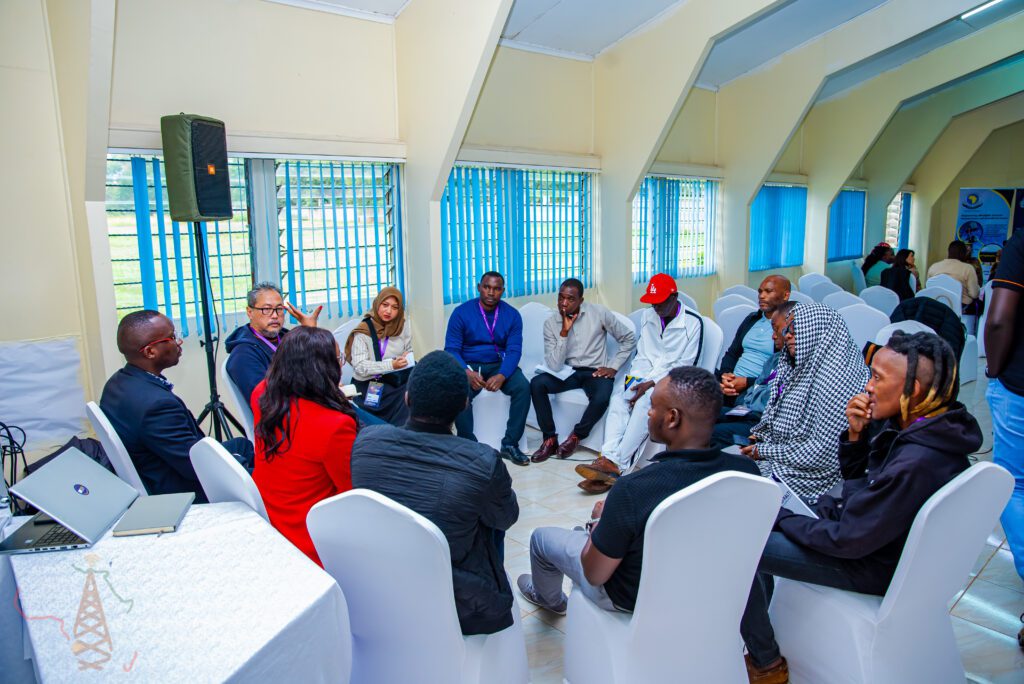
One of the most important takeaways from the session was something often overlooked: the act of listening. Rather than starting with ready-made programs, participants were encouraged to begin with needs assessment. This process involves ethnographic observation, field research, and feasibility studies. In other words, understanding a community goes beyond data, it requires engaging with everyday life.
Community engagement, therefore, cannot exist without building genuine relationships. Visiting people’s homes, having informal conversations, and ensuring that program goals align with what communities actually express as their needs are all critical steps. In this approach, communities are not beneficiaries, they are partners.
“If we don’t involve them from the beginning, we’re simply guessing what they need,” became a recurring sentiment throughout the discussion. Another challenge lies in sustaining engagement over time. Rigid and formal communication often fails to reach people effectively. This is why creative approaches matter, using art, storytelling, and audiovisual media such as radio, music, and documentaries. These methods not only make information more accessible but also create space for communities to express themselves.
This is where the concept of social currency comes into play. It is not about financial capital, but about a sense of belonging, recognition, and relationships that reinforce one another. Community engagement also requires careful stakeholder mapping, not merely listing actors, but understanding how social structures function: who holds influence, how political aspirations take shape, and how spiritual values play a role in daily life.
Examples shared from various regions in Africa demonstrated how these factors significantly influence the success of any initiative. Ignoring them means ignoring the lived realities of the communities themselves. The session also raised critical reflections on centralized approaches—whether from corporations or governments, that tend to view communities as “consumers.”
This kind of approaches often prioritize quick results without long-term commitment. Programs come, run briefly, and leave before truly addressing the root of the issues. As an alternative, the session emphasized a more human-centered and collaborative approach. Methods such as design thinking are used to understand social challenges in context and to co-create solutions with communities. While this process may take longer, it leads to more sustainable outcomes.
In the digital era, community engagement is inevitably linked to access to technology. However, access alone is not enough. What truly matters is digital sovereignty, where communities are not only users but also owners and managers of their own systems. This includes providing infrastructure and devices, developing local content in local languages, and ensuring that data is stored locally and accessible without cost.
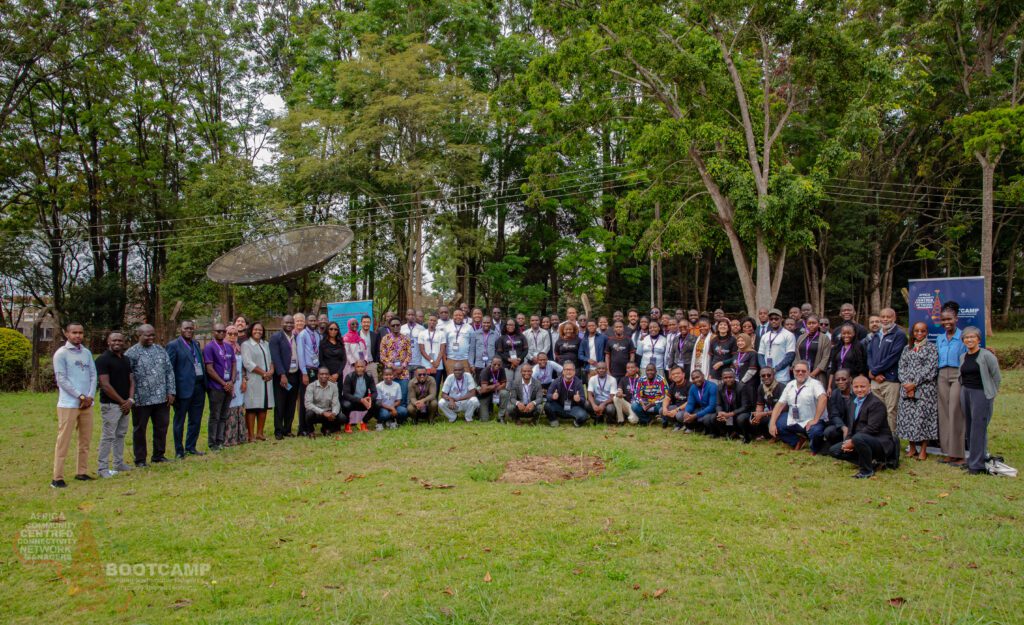
Through this approach, technology is no longer seen as something that comes from the outside, but as an integral part of community life. Ultimately, community engagement is not a short-term project. It is a long-term process that requires patience, trust, and commitment. The session offered a simple yet powerful reminder: lasting change cannot be imposed from the outside. It must grow from within, together with the people who live it every day. And perhaps, therein lies the difference between simply running a program and truly building a community.***