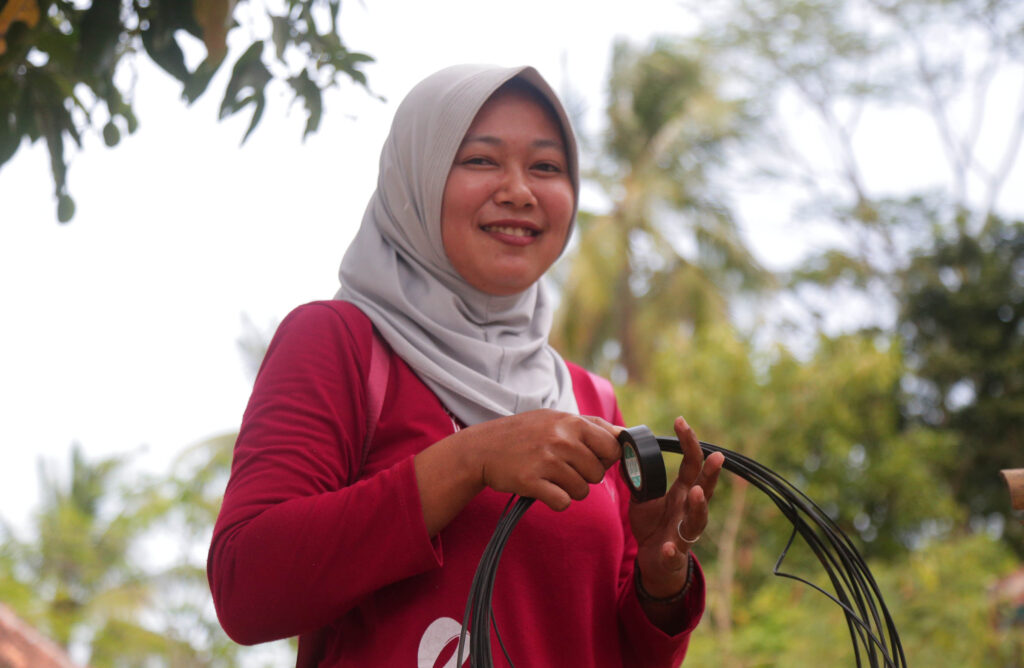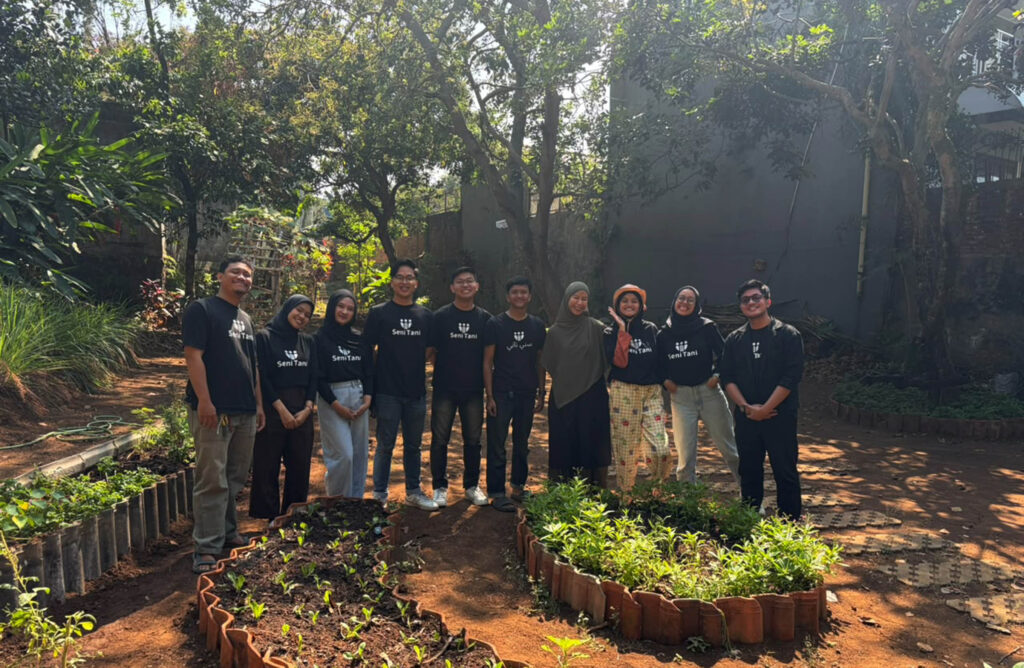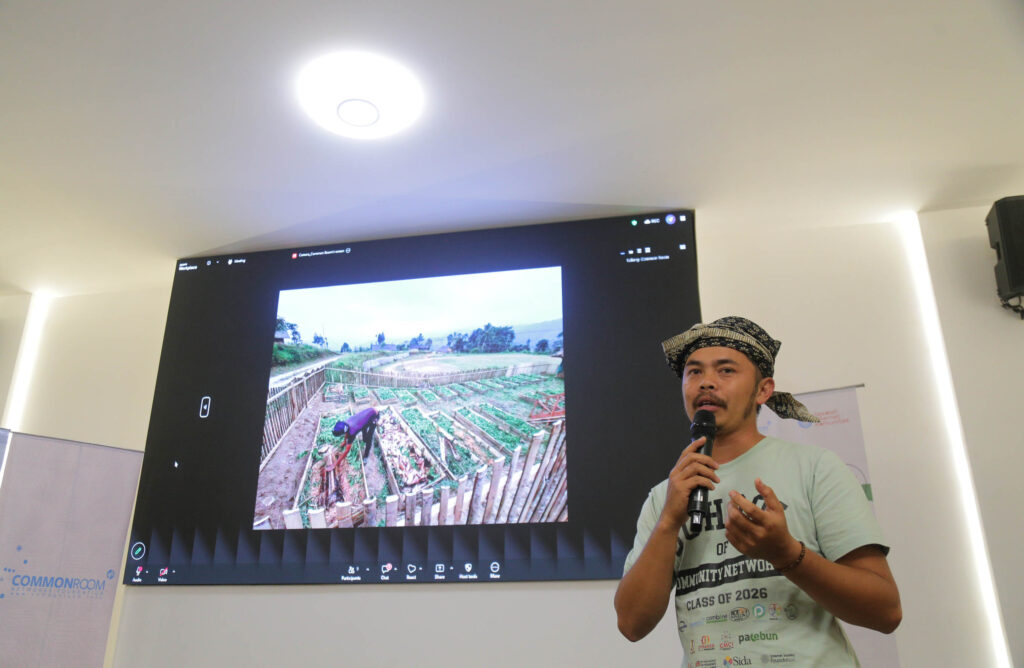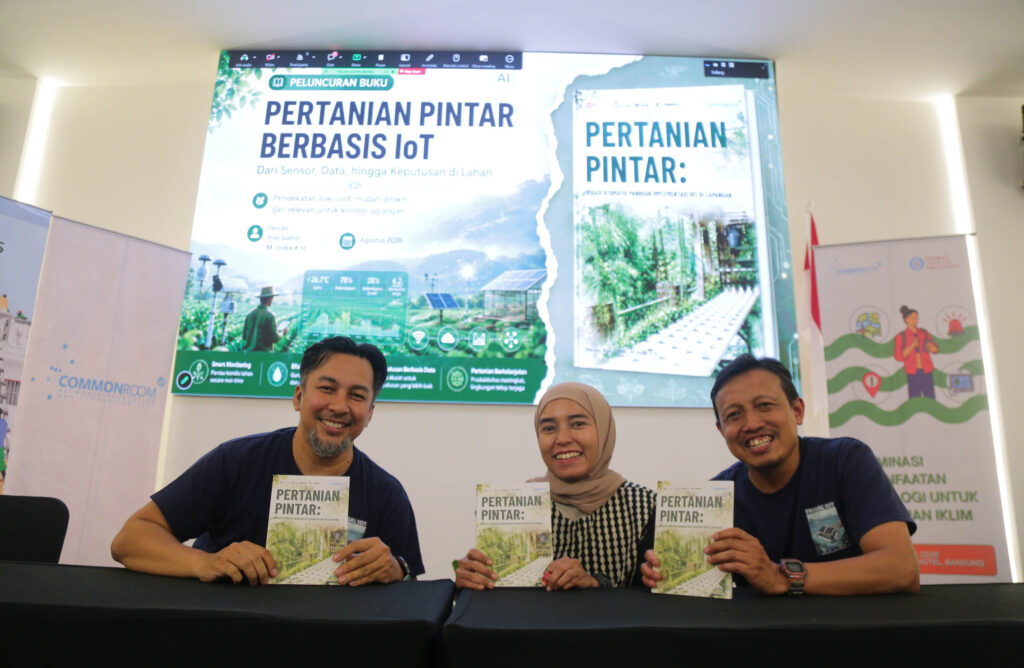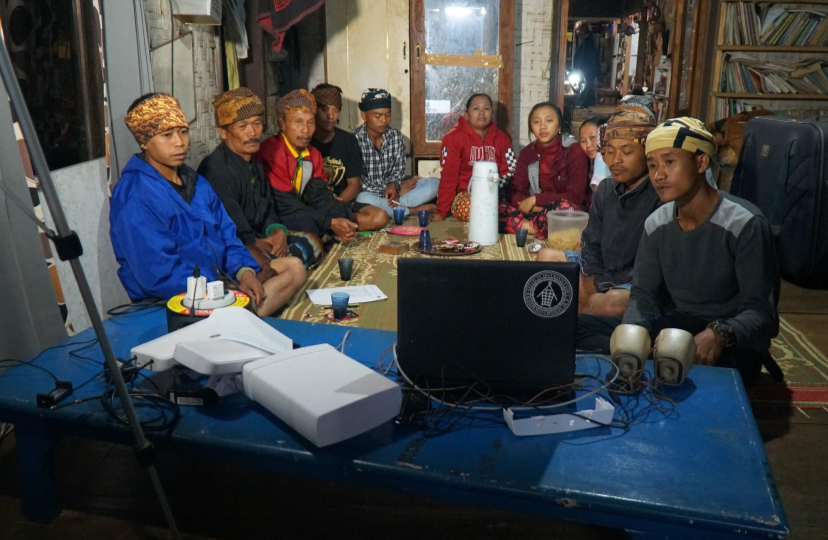
On a humid February afternoon, a patchwork of faces filled the grid of an online meeting screen. Some sat in modest living rooms, others in village offices, one in the corner of a small shop. Eleven participants from across Indonesia, five of them women, leaned in, eyes fixed on their screens. This wasn’t just another webinar. They were learning the language of networks, cables, and routers, on their way to becoming MikroTik Certified Network Associates (MTCNA).
The training, led by Common Room, was more than a lesson in IP addresses and configurations. It was a gathering of people who believed that the internet shouldn’t stop at city limits. They came from the School of Community Networks (SCN) and partner groups like AirPutih Association. Some had their fees partly covered by the Digital Access Programme (DAP) of the British Embassy, a gesture that opened the door to those who might otherwise be left out.
Over ten online sessions, from February 4 to March 11, 2025, they swapped stories and solved problems together. In the peer-to-peer style, a technician from one island would troubleshoot a connection problem in another, and a young woman from a mountain village would explain how she convinced elders to support a bamboo tower for Wi-Fi. By the end, the training had given them more than just certificates; it had given them a sense that digital infrastructure could be grown, protected, and repaired by their own hands.
Three Models, Three Realities
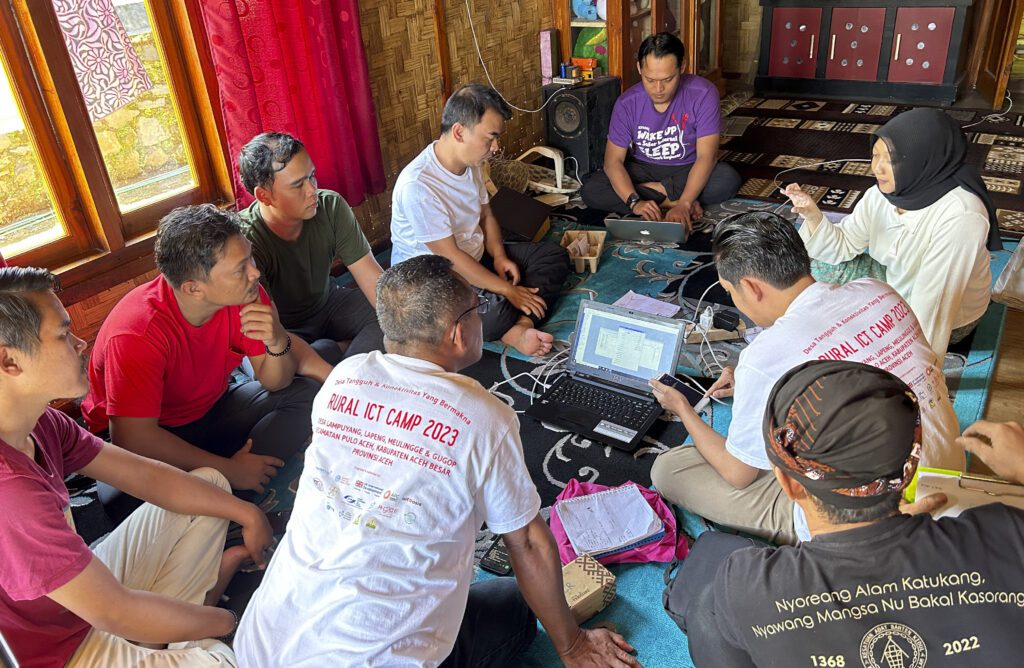
In the highlands of Kasepuhan Ciptagelar/Gelaralam, internet access is woven into the rhythms of tradition. Since 2016, over 700 access points have sprung up, built and maintained by local technicians, many of them Indigenous youth. The subscription fee? Just Rp8,000–Rp10,000 a month, less than a cup of coffee in Jakarta. The payment is symbolic, a sign of mutual commitment rather than a source of profit. There are no CSR budgets, no corporate sponsors, only the collective work of the community. Yet, challenges linger: technical capacity is stretched, and the network operates in a legal grey area without formal recognition.
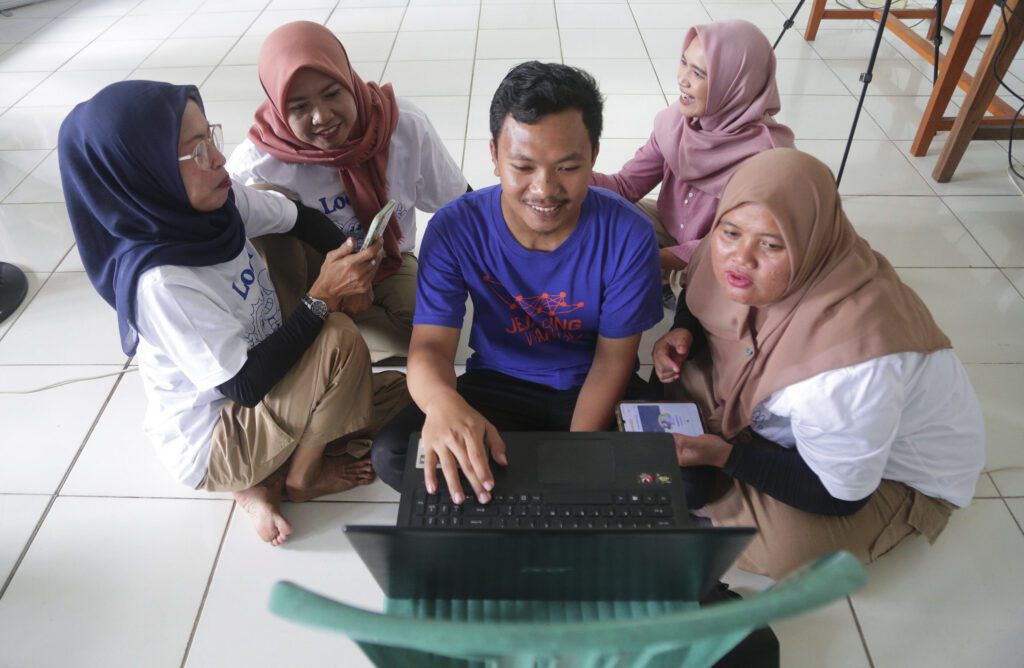
Hundreds of kilometres away in Ciracap, the model takes a more entrepreneurial turn. Here, the network runs under a village-owned company, PT Internet Desa Digital, serving seven villages with micro-vouchers that range from Rp1,000 an hour to Rp50,000 a month. The system brings in an average of Rp35 million each month, funding operations and paying local technicians. But without an official license, the service operates under constant legal risk, a reminder that grassroots innovation often runs ahead of the rules.
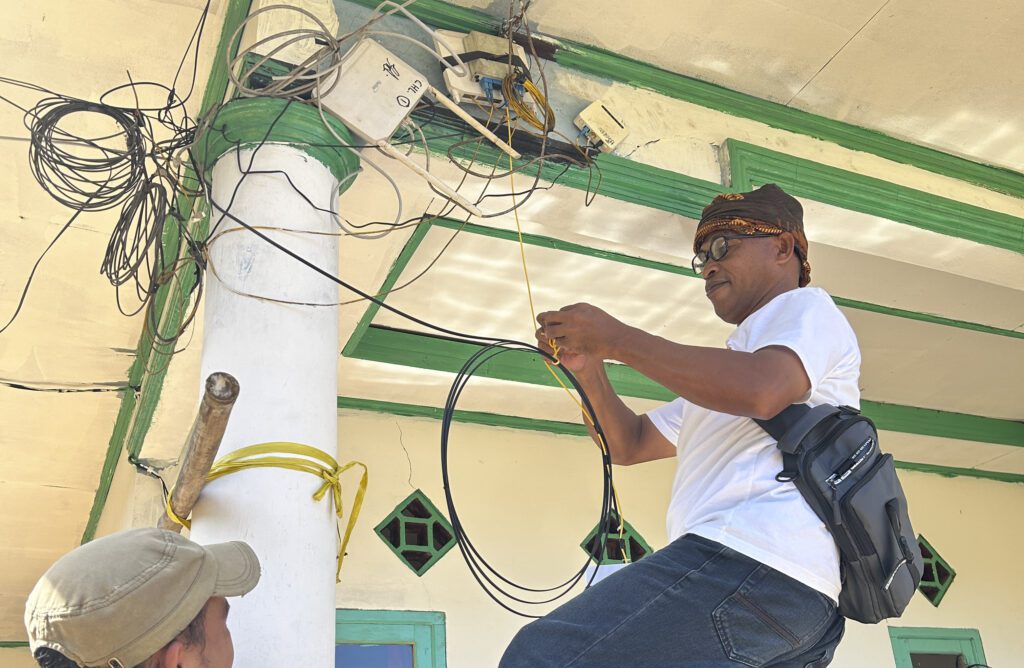
On Taliabu Island, the story is just beginning. The local BUMDes partners with a commercial provider to deliver home-based connections to 102 households, charging Rp250,000–Rp350,000 per month. Profits go back to the village enterprise, but the network remains mostly a transactional service, valuable, but not yet a driver of social programs or digital literacy.
Across these three sites, one lesson stands out: the health of a community network rests on a balance between solid governance, local skills, social trust, and the right kind of outside support.
The Women at the Switchboard
Technology, however, is never neutral. In many rural areas, access to the internet still reflects gendered divides. A literature review found the same stubborn barriers: men dominate decision-making, women often struggle to afford devices, and technical roles remain male-heavy.
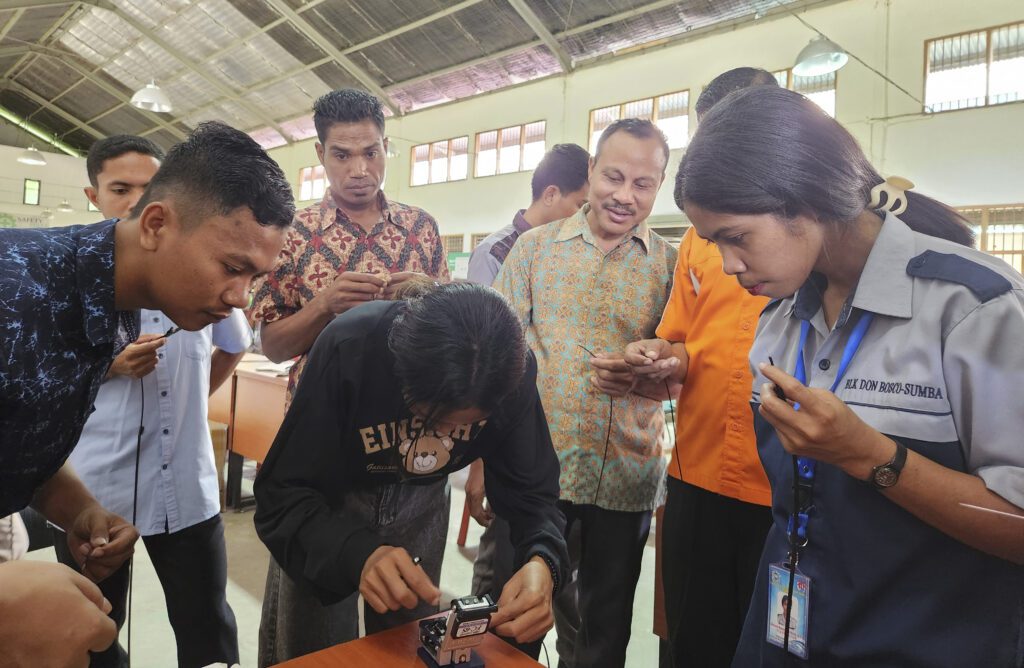
But the story is shifting. In villages from Kenya to Bangladesh to Indonesia, women are taking new positions in the network’s life, running Wi-Fi subscriptions, leading community meetings, and even handling technical maintenance. Programs that combine advocacy, training, and sector-specific partnerships (from healthcare to cultural preservation) have proven they can open doors.
From these experiences comes a richer definition of meaningful connectivity, one that is inclusive, participatory, relevant to women’s lives, that nurtures self-development, and safeguards the security and sovereignty of their data.
Data for the Climate Future
Connectivity is about more than messages and videos. In a climate-challenged nation like Indonesia, it could mean the difference between a farmer planting too soon and losing a crop, or planting at the right time and feeding a village. The key? Microclimate data.
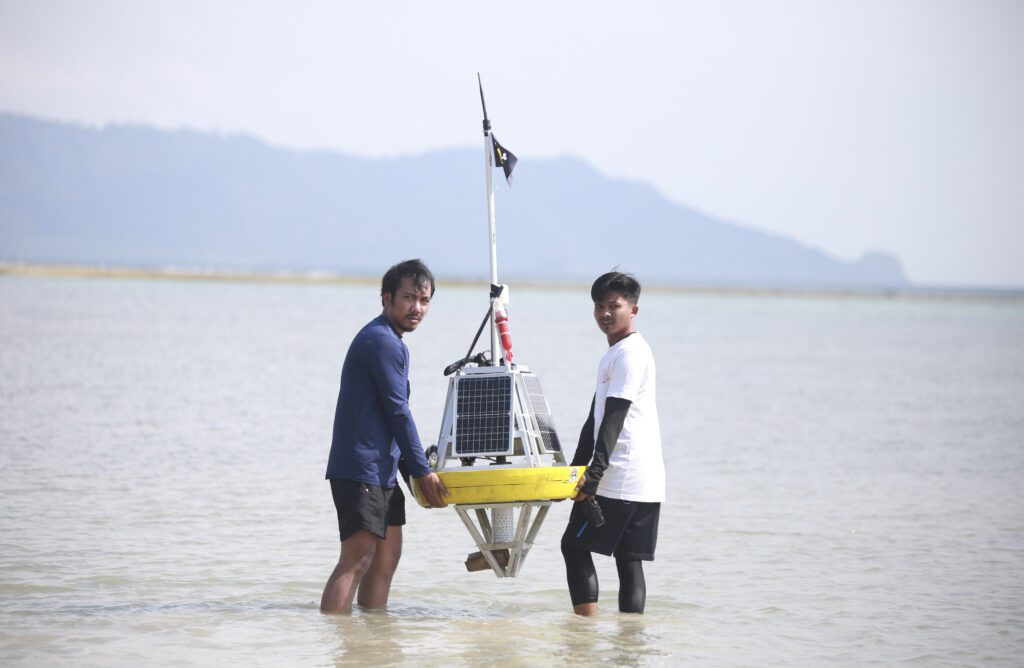
Yet, climate data in Indonesia remains locked down. By law, only BMKG (Indonesian Agency for Meteorology, Climatology, and Geophysics) can publish it, creating a bottleneck that slows innovation. Without open access, citizen science struggles, local startups can’t develop services, and planners lack the granular information they need to protect communities from floods, droughts, and heatwaves.
Elsewhere, the approach is different. Europe’s Copernicus program offers free, high-quality environmental data that fuels both research and commercial innovation. In the US, the National Oceanic and Atmospheric Administration (NOAA) encourages public participation in data collection. India’s meteorological portal makes vast troves of weather data accessible. All of them show the same truth: when data is open, solutions multiply.
Weaving the Strands
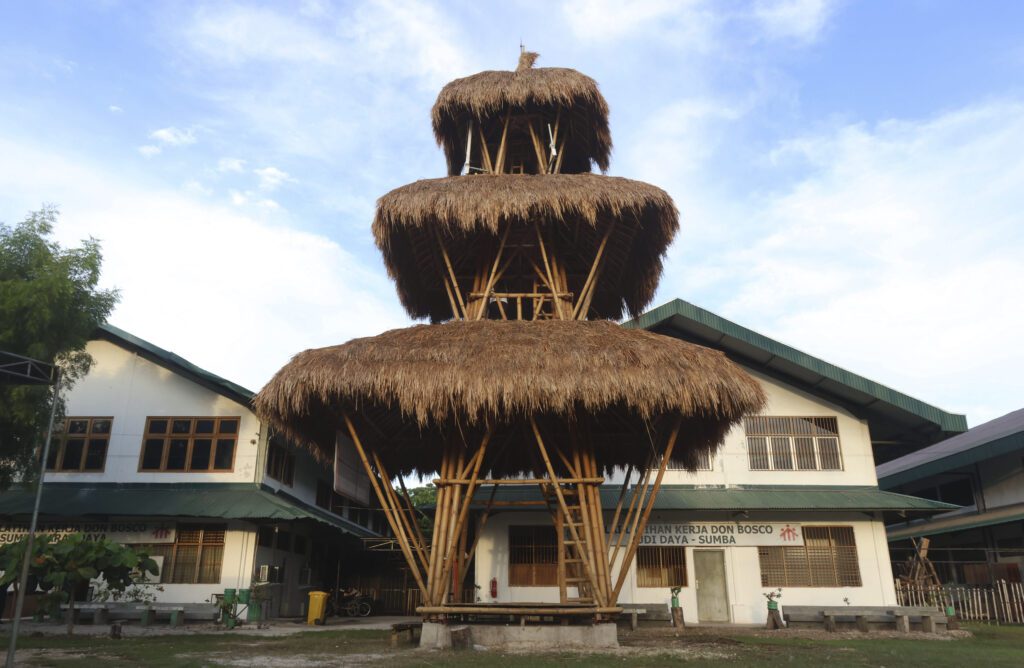
From the glow of laptop screens in remote homes, to bamboo towers in the forest, to the untapped streams of climate data locked in servers, these stories share a thread. Technology matters most when it grows from the ground up, carried by communities, shaped by their needs, and sustained by their hands.
If training like MTCNA equips skilled builders, if community business models keep the lights on, if women’s leadership makes access fair, and if open data gives knowledge its full power, then Indonesia’s digital future could be not just connected, but truly resilient.***
Artikel ini ditulis dan memuat karya foto Tisha Amelia Anwar, Andriani Kesa Alivia dan Akhmat Safrudin telah ditayangkan di APC.org pada Rabu, 25 Maret 2026.
Tautan lengkap: https://www.apc.org/en/blog/weaving-meaningful-connectivity-across-indonesia